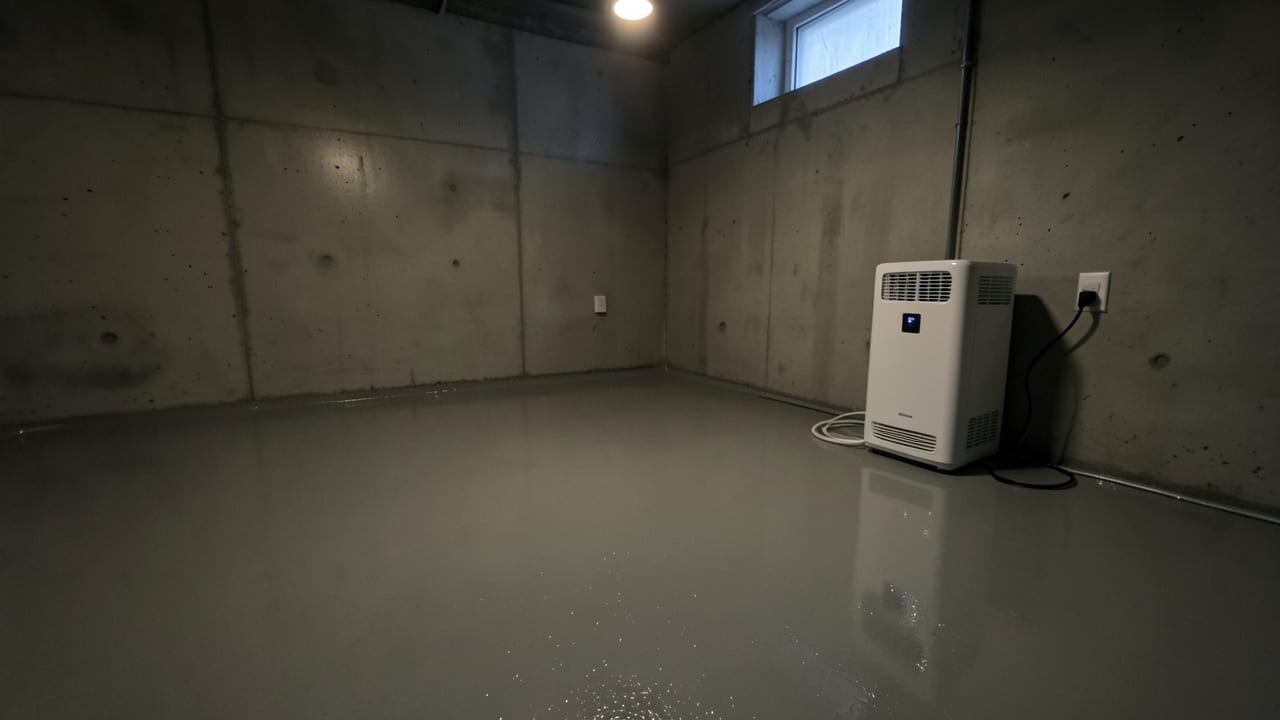
Post-Remediation Sealing
Applying protective sealants to surfaces after mold remediation to prevent future growth.
Post-remediation sealing in Paradise Valley, AZ, involves applying specialized coatings to treated surfaces after mold removal to prevent future growth. This step helps protect your home by creating a barrier against moisture, a key factor in mold regrowth.
Proper sealing is essential after professional remediation to ensure long-term results and maintain indoor air quality in your residence.
We also handle Kitchen Mold Cleanup and Carpet Mold Treatment for Paradise Valley properties.
When is post-remediation sealing needed?
Post-remediation sealing is typically recommended after mold removal when porous materials like drywall, insulation, or carpet padding have been disturbed or removed. It’s also necessary if visible mold covers more than a small, isolated patch—generally over 25 contiguous square feet—or if mold keeps returning to the same spot after cleaning.
These signs suggest the moisture source wasn’t fully addressed or that the affected area requires additional protection to prevent recurrence.
Sealing is especially important in Paradise Valley’s climate, where humidity and occasional monsoon rains can create ideal conditions for mold. Rooms that stay damp—such as windowless bathrooms, closets, or basements—benefit from sealing to block moisture absorption.
If you’ve had mold remediation but notice a musty smell lingering or see signs of moisture in the same area, sealing may help create a lasting barrier.
Signs You May Need Post-Remediation Sealing
- Mold covers more than 25 contiguous square feet in one area.
- Mold returns to the same spot after cleaning or remediation.
- You notice a persistent musty smell with no visible mold.
- The affected area stays damp or has poor airflow (e.g., closets, basements).
- Porous materials (drywall, insulation, carpet padding) were removed during remediation.
What affects the cost and process?
The cost of post-remediation sealing varies based on the size of the treated area, the type of sealant used, and the condition of the surfaces. Basic vapor barriers are less expensive than full encapsulation, which may be needed for high-risk areas.
Labor costs also depend on whether additional steps—like structural drying or containment—were required during the initial remediation process.
Timing can also impact the process. Sealing should ideally be done immediately after remediation while surfaces are still dry and protected. Delaying sealing increases the risk of moisture absorption, which can void the effectiveness of the barrier.
In Paradise Valley, scheduling sealing promptly after remediation helps ensure the work aligns with the dry season to avoid humidity-related setbacks.
What to expect during the process
Post-remediation sealing is a precise step that follows mold removal to ensure treated areas remain protected. The process involves applying specialized coatings designed to block moisture and prevent mold spores from settling on surfaces. Unlike remediation itself, sealing is focused on prevention and long-term protection rather than active mold removal.
Homeowners may notice temporary plastic sheeting or barriers in the treated area during sealing, similar to what was used during remediation. These barriers help maintain a clean environment while the sealant cures.
The goal is to create a durable layer that reduces the risk of future mold growth, especially in areas prone to dampness or poor airflow.
Remove personal items from the treated area to allow easy access for the sealing process. Ensure pets and children stay out of the space while work is being done, as sealants may require ventilation time to cure fully. Follow any specific instructions provided by the sealing contractor regarding airflow or humidity control during the process.
How post-remediation sealing works
Sealing treated surfaces after mold removal helps prevent future growth by creating a moisture-resistant barrier.
- 1Surface Preparation
Clean and dry all surfaces thoroughly before applying the sealant. This step ensures the coating adheres properly and creates an effective barrier against moisture.
- 2Apply Specialized Sealant
A professional applies a mold-resistant coating to the treated area. This sealant is designed to block moisture absorption and deter mold spores from settling on surfaces.
- 3Protect the Treated Area
Plastic sheeting or barriers may be used to contain the area while the sealant cures. This helps maintain a controlled environment and prevents contamination during the drying process.
- 4Inspect for Full Coverage
The contractor checks for complete coverage and ensures no gaps exist where moisture could seep through. This step is critical for long-term protection.
- 5Clearance Testing (Optional)
If clearance testing was part of the remediation process, it may be repeated to confirm the space is safe. This step is intended to verify the sealing was effective in reducing mold risk.
Frequently asked questions
How long does post-remediation sealing take?
The time required depends on the size of the area being sealed and the type of sealant used. Small patches may take a few hours, while larger areas or full encapsulation can take a full day or more. The process also includes drying time for the sealant to cure fully.
Can I seal mold-affected areas myself?
DIY sealing is not recommended unless you have experience with mold-resistant coatings and proper safety measures. Professional sealing ensures the barrier is applied correctly and effectively, reducing the risk of future mold growth. Improper application can leave gaps where moisture can still penetrate.
Will sealing prevent mold from coming back?
Sealing helps reduce the risk of mold regrowth by blocking moisture, but it is not a standalone solution. Fixing the underlying moisture source—such as leaks, poor ventilation, or grading issues—is essential for long-term prevention. Sealing is intended to complement these efforts.
How often should sealed areas be checked after the process?
Monitor sealed areas periodically, especially during the first year, to ensure no signs of moisture or mold recurrence appear. Check for dampness, musty smells, or visible growth. Addressing any issues early can help maintain the effectiveness of the sealant.
Where Paradise Valley sits, and what the Census lists nearby
Paradise Valley sits in Arizona, and the closest places listed in the U.S. Census Gazetteer are Phoenix (7.5 miles west), Scottsdale (10.8 miles northeast), Tempe (11.4 miles south), Guadalupe (12.8 miles south). Within 25 miles of Paradise Valley the same source lists 26 distinct incorporated places and census-designated places.
Those figures matter for post-remediation sealing because they are straight-line distances between Census coordinate points: road mileage between Paradise Valley and Phoenix runs longer than the 7.5 miles shown, which is why quotes for the same job differ between towns that look close together on a map.
Source: U.S. Census Bureau Gazetteer.
See Sun Lakes, AZ for more, or check out our full Paradise Valley-area coverage from start to finish for our complete lineup.
Ready to get started?
Talk to a local mold remediation pro in Paradise Valley — get a written quote.
Other Mold Remediation Services in Paradise Valley
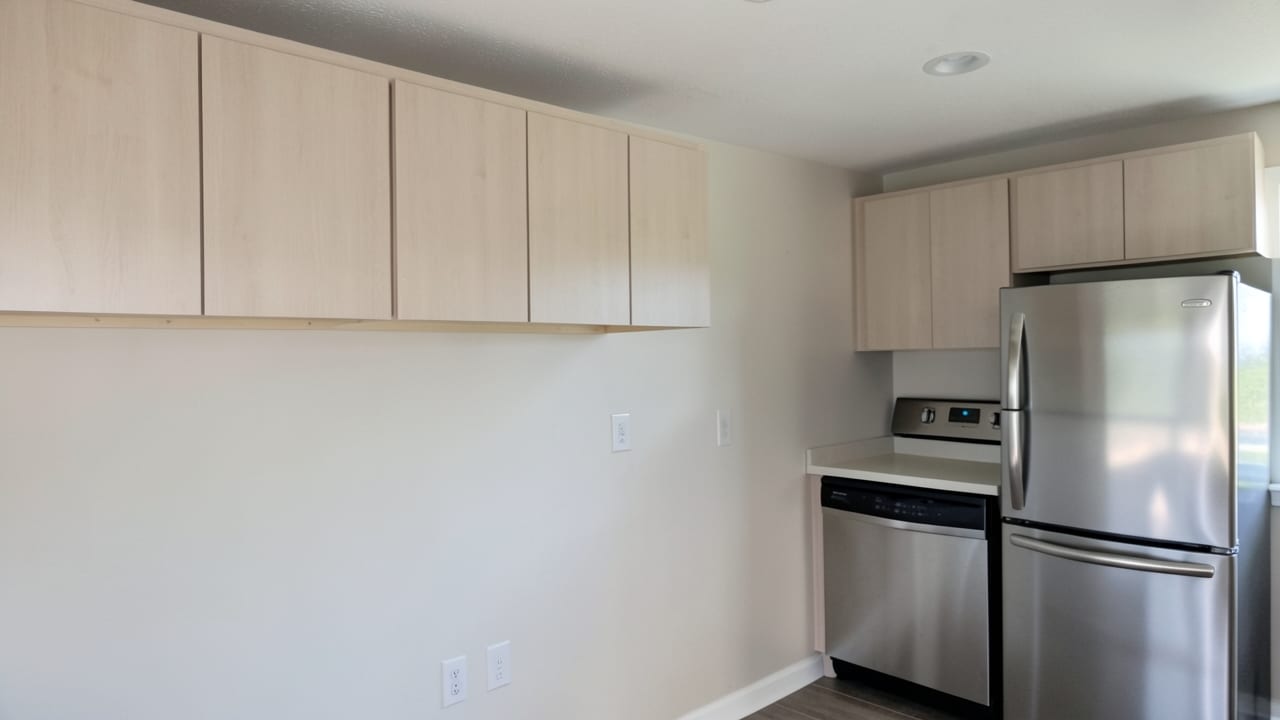
Kitchen Mold Cleanup in Paradise Valley, AZ
Professional assessment and removal of mold in kitchen areas to restore a safe, clean environment.
Learn More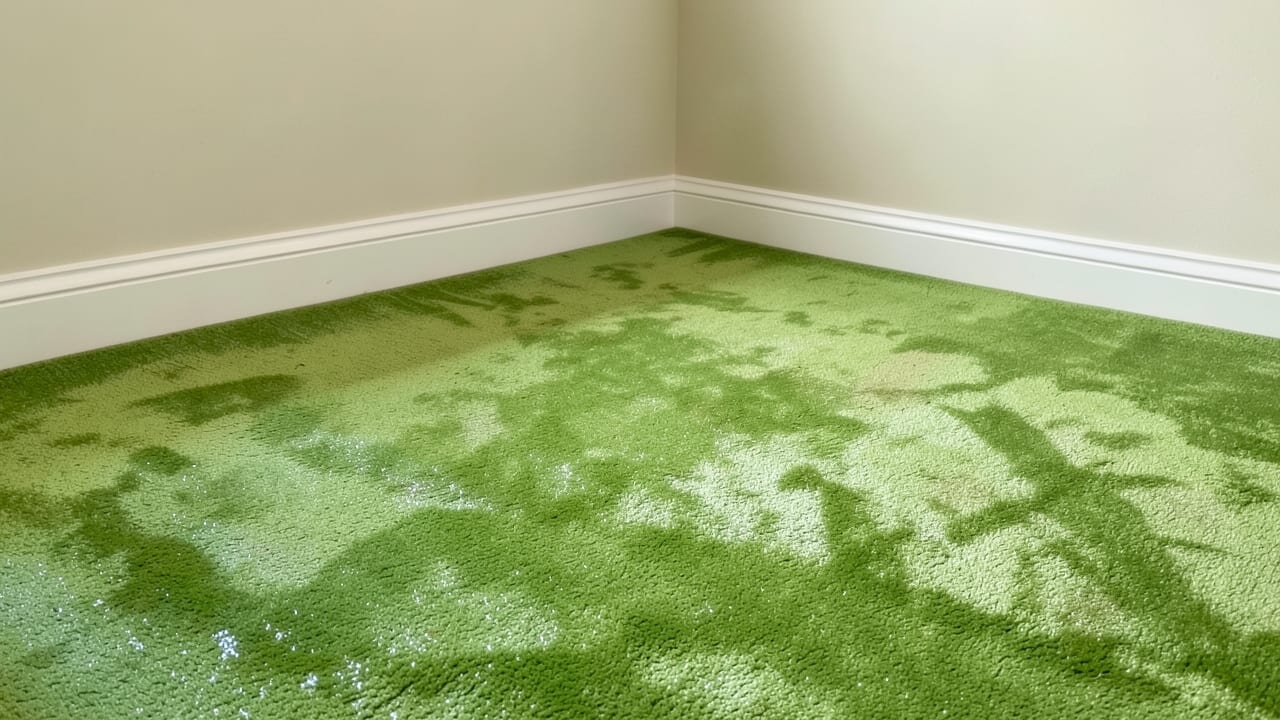
Carpet Mold Treatment in Paradise Valley, AZ
Professional assessment and removal of mold growth from carpets to restore a safe indoor environment.
Learn More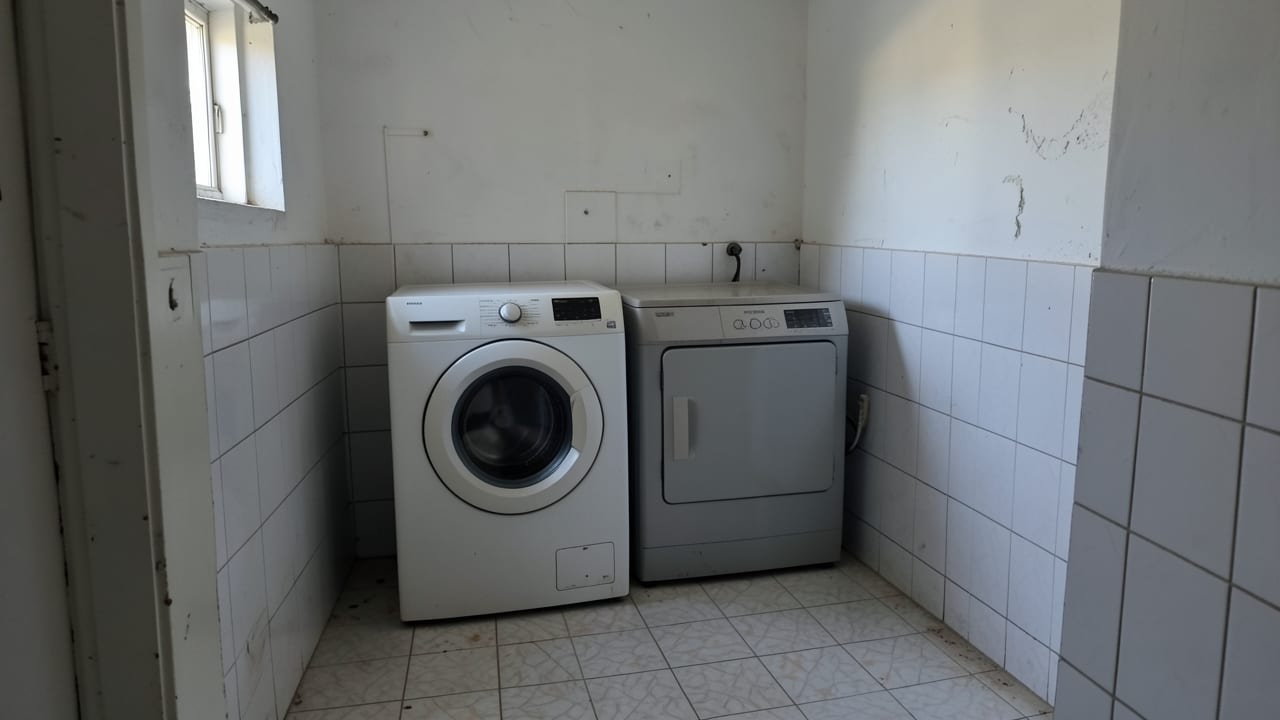
Laundry Room Mold Cleanup in Paradise Valley, AZ
Professional mold removal and remediation in laundry rooms to restore a safe, clean space.
Learn More
Plaster Mold Remediation in Paradise Valley, AZ
Professional removal and treatment of mold from plaster surfaces in homes.
Learn More
Window Sill Mold Cleanup in Paradise Valley, AZ
Professional cleanup of mold growth on window sills to restore a healthy indoor environment.
Learn More
Flood Damage Mold Remediation in Paradise Valley, AZ
Professional mold removal and remediation after flood damage in homes.
Learn MoreCommon Questions About Mold Remediation in Paradise Valley
Everything you need to know about mold remediation services in Paradise Valley
How much does Post-Remediation Sealing typically cost in Paradise Valley, AZ?
Can mold really be a problem in a dry climate like Paradise Valley, AZ?
How does mold remediation actually prevent the problem from coming back?
Can mold growing inside HVAC ductwork spread to the rest of a home?
Does mold mean the same thing as mildew?
Does homeowners insurance typically cover mold remediation?
Need Mold Remediation in Paradise Valley?
Connect with local providers in Paradise Valley for a detailed quote.
⏰ We answer your call • Serving all of Paradise Valley and surrounding areas